Top Things to Do on a Serengeti Safari
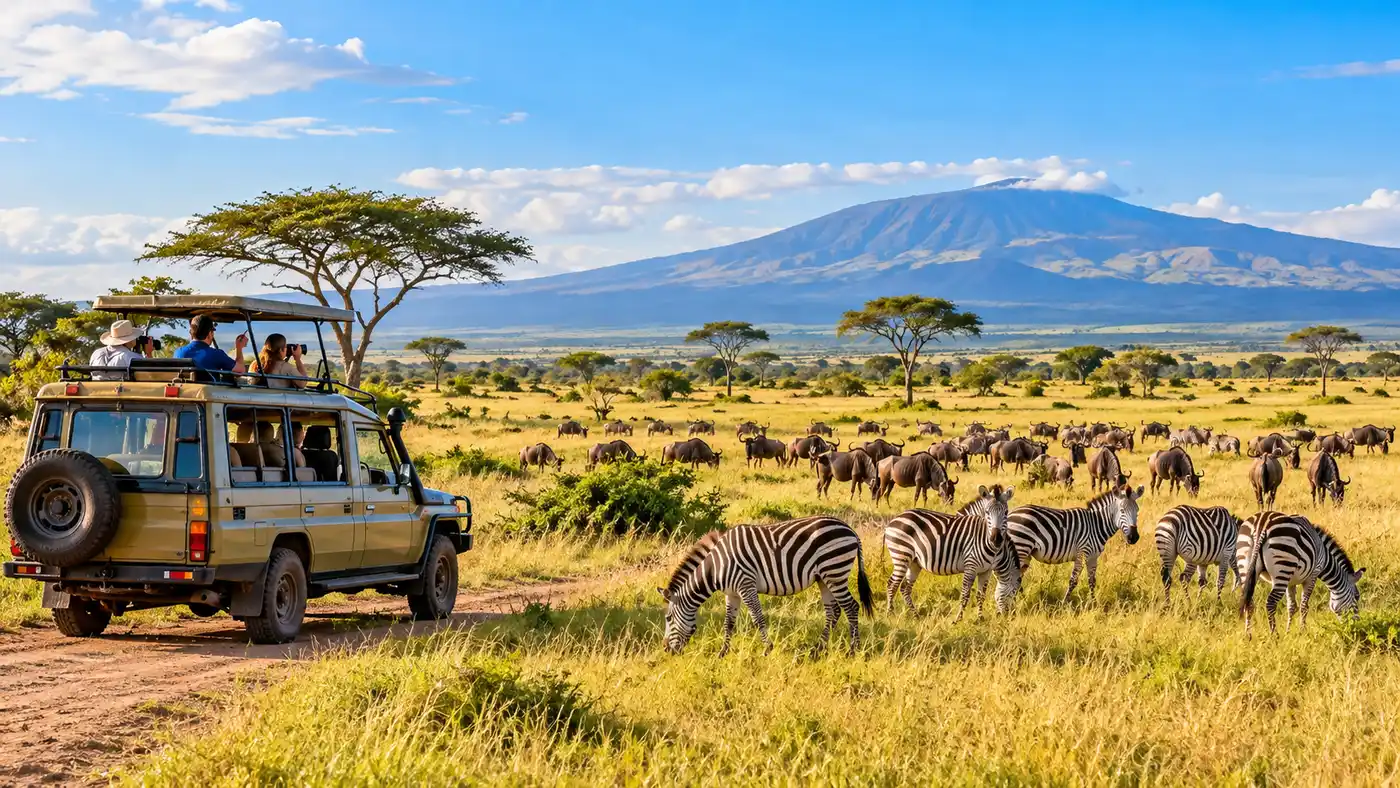
The dust clings to your teeth before you even notice the sun coming up. Out on the golden savannah, the air smells dry, spicy with wild sage, and cold enough at dawn that you want your fleece zipped right up to your chin. When planning your route across northern Tanzania, sorting through the best things to do in serengeti national park comes down to pacing. Too many visitors pack their schedule so tightly with twelve-hour driving marathons that they miss the subtle rhythms playing out right beside their tires.
You might picture a safari as passive observation through binoculars. It is not. After three days bouncing over red-dirt washboards and scanning acacia branches for resting cats, your body feels every mile. Balancing the high-adrenaline river crossings with slower mornings, bush meals, and quiet time at waterholes makes all the difference. Here is what actually deserves a spot on your itinerary, drawn from long hours on these trails and candid feedback from travelers who have done it.
Morning and Afternoon Game Drive Serengeti Routines
A standard game drive Serengeti style is the backbone of your trip. Most camps will wake you at 5:30 AM with a thermos of black coffee and a small plate of ginger biscuits. By 6:15 AM, your modified Land Cruiser rolls past the camp boundary into the grey pre-dawn mist. The big cats do their hunting while the grass is still wet and the sun sits low. If you roll out at 8:30 AM after a leisurely hot buffet, you have basically traded lion hunts for sleeping lions curled behind thick scrub.
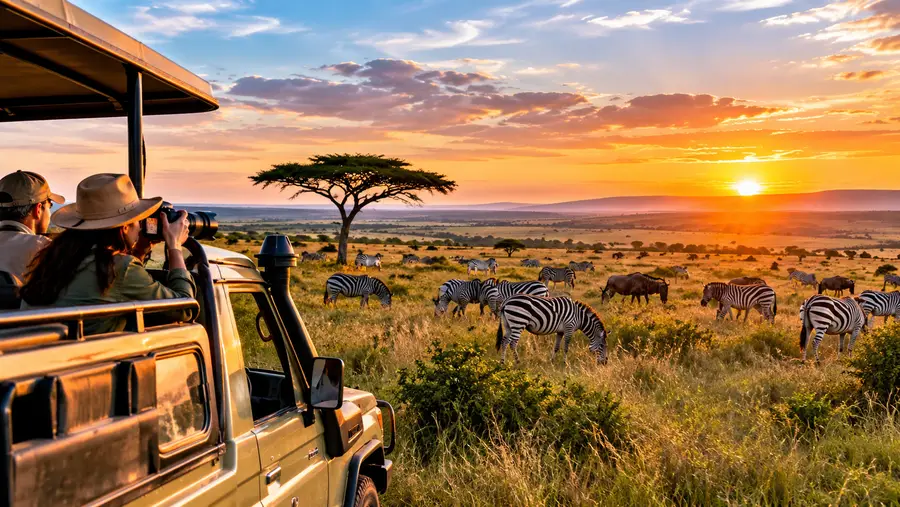
Afternoons work differently. The heat between noon and 3:00 PM is brutal, flattening the grass under white light. Animals retreat under dense shade. A proper afternoon excursion starts around 3:30 PM, running until park gates close at 6:30 PM. The light turns liquid honey, shadows stretch across the tracks, and elephants emerge from riverine thickets to drink. Bring a dust scarf. Open-sided vehicles give incredible sightlines, but by day four your hair will feel like straw from the fine silt kicked up by passing safari trucks.
Night drives are forbidden inside the central park borders to protect the ecosystem. Private concessions on the fringes - like Grumeti or Loliondo - permit them with specialized spotlights. If you stay in those outer reserves, you will encounter nocturnal hunters like genets, servals, and aardwolves that you simply will not see during daylight hours.
Pro tip: Skip the full-day packed-lunch marathon on day two. Heading back to camp between 11:30 AM and 3:00 PM for a hot lunch and a nap keeps your eyes sharp for the golden-hour drives when predators wake up.
Book your serengeti safari tours experience:
Drifting High: The Serengeti Hot Air Balloon Safari
Waking up at 4:15 AM hurts. You shiver in the dark while the ground crew fires twin propane burners, filling massive nylon envelopes with roaring heat. Then the basket lifts. Suddenly, there is zero engine hum. A serengeti hot air balloon safari gives you scale that no ridge or rooftop hatch can provide. From three hundred feet up, animal tracks etch the plains like spiderwebs radiating toward hidden seasonal springs.
The silence up there is startled only when the pilot burns fuel to adjust elevation. Below, herds of topi scatter, while hippos surface in the green algae of the Seronera River like smooth river stones. You spend roughly 65 minutes aloft depending on wind speeds. Landings range from smooth stand-ups to bumpy basket tips where you hold the safety straps and laugh on your back in tall grass.
These flights run about $599 per person, which gives many travelers pause. Is it worth roughly 20 percent of a budget safari spend? Honestly, if you only splurge once on your journey across East Africa, this is the excursion to pick. It finishes with an elaborate white-tablecloth champagne breakfast served right in the bush, complete with fresh tropical fruit and warm eggs cooked over portable gas burners.
Chasing River Crossings on the Great Migration
Timing matters enormously here. The great herds do not stand in one spot waiting for tourists. Watching wildebeest gather on the cliffs above the Mara River is one of the most intense tanzania safari excursions you can witness, but it requires patience. Sometimes three thousand animals mass on a sandy bank for four hours, nervous, grunting, kicking up clouds of dust, only to turn around and walk away because a single crocodile floated past.
When they finally leap, panic takes over. The water churns into foam. Dust fills the river corridor, making it difficult to shoot clean photos without a fast shutter speed. Between July and October, the northern sector near Kogatende hosts these dramatic plunges. During the southern calving season in Ndutu around February, you get the opposite kind of drama - tens of thousands of wobbling calves born within a three-week window, closely shadowed by cheetahs and hyenas.
Note: Driver guides are legally bound to stick to designated tracks in high-density areas. Resist the urge to bribe or pressure your driver to nudge closer to active river crossings, as rangers actively issue steep fines to protect the animals.
Guided Walking Safaris and Bush Treks
Climbing down from the safety of a heavy vehicle changes your pulse rate immediately. Your feet snap brittle twigs. Your senses wake up. Inside the main park, walking is restricted to designated wilderness zones, led by an armed national park ranger alongside an experienced naturalist tracker. They carry heavy-caliber bolt-action rifles, walking slowly while reading dung, claw marks on bark, and small prints in soft soil.
This is not a high-speed trek to chase big game. Approaching dangerous animals on foot is foolish and strictly avoided. Instead, a morning bush walk teaches you the micro-layers of the ecosystem. You learn how dung beetles navigate using polarized light patterns, which acacia leaves the local tribes boil into fever tea, and how to tell whether a leopard track is thirty minutes old or fresh from dawn.
- Average duration: roughly 2 to 3 hours, covering 4 to 6 kilometers of flat ground.
- Best time to step out: strictly early morning before 9:00 AM, avoiding both the midday heat and midday cat activity.
- Footwear requirement: thick-soled hiking boots with quiet rubber treads, never bright white running shoes.
- Minimum age limits: most walking concessions enforce a strict 12 or 16 year age cutoff.
Book your serengeti safari tours experience:
Exploring Moru Kopjes and Ancient Rock Art
The vast grasslands feel limitless until granite monoliths explode out of the earth. These kopjes - weathered remnants of ancient pre-Cambrian rock - create miniature ecological islands. Moru Kopjes, situated in the South-Central region, is one of the premier things to do in the serengeti for travelers who want history layered with wildlife spotting.
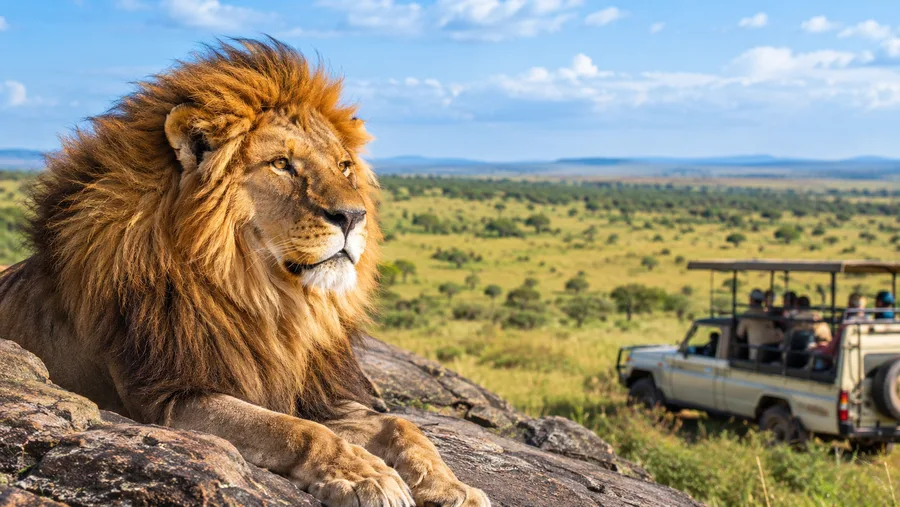
Big cats love these granite mounds. The grey stones retain sun heat late into the evening, and the high vantage points let lion prides scan for gazelle without exposing themselves. Moru is also the primary refuge for the park's remaining black rhino population, monitored round-the-clock by specialized anti-poaching units.
A short drive from the main kopje loop leads to the Gong Rock site. Here, early Maasai pastoralists left ochre and white pigment paintings depicting shields, cattle, and native predators. The rock features natural indentations that ring like iron bells when struck with smooth river stones. It served as a traditional assembly point long before the land was gazetted as a park.
Comparing Top Serengeti Activities
Balancing your safari days comes down to budget, stamina, and what you actually want to experience. Some travelers want to stay in the vehicle all day with massive telephoto lenses. Others crave tactile ground activities. This breakdown gives a realistic snapshot of what each option asks of your wallet and schedule.
| Activity | Approximate Cost (USD) | Typical Duration | Best For |
|---|---|---|---|
| Standard Morning Game Drive | Included in park fees ($82/day) | 3 to 4 hours | Predator sightings, golden hour light |
| Hot Air Balloon Safari | $595 to $650 per person | 3.5 hours total (1 hour aloft) | Landscape photography, romance |
| Armed Bush Walk | $60 to $120 per person | 2 to 3 hours | Flora, tracking, birdlife, peace |
| Night Game Drive (Concessions) | $120 to $180 per person | 2 hours | Rare nocturnal species, bush baby calls |
| Kopje Historical Exploration | Included in park fees | 2 hours | Rock art, black rhino habitat, geology |
Cultural Connections and Village Visits
Many itineraries squeeze in a stop at a Maasai boma near the rim of Ngorongoro or along the Serengeti bypass. A great deal of serengeti safari reviews mention mixed feelings about these interactions. Some setup villages feel rehearsed, where visitors are funneled into bead stalls within ten minutes of arriving. It can feel hollow if you pick the wrong stop.
A genuine cultural excursion in the serengeti boundary communities requires careful operator vetting. Authentic visits focus on community health projects, bee-keeping initiatives, or water security efforts rather than staged dances. When done right, spending an afternoon talking with a village elder provides necessary context on the complex tensions between wildlife conservation and pastoral grazing rights.
- Ask before photographing: always clarify photography rules with your guide before pointing cameras at community members.
- Buy direct: purchase beaded necklaces and wooden bowls directly from the women crafting them under the acacia trees.
- Avoid giving sweets: guides strongly discourage handing candy to village children along the roadside.
- Dress respectfully: long trousers or below-the-knee skirts are appreciated when visiting rural Tanzanian homesteads.
Book your serengeti safari tours experience:
Frequently Asked Questions about things to do in serengeti national park
What are the absolute must-do activities on a first visit?
Prioritize two daily game drives timed for dawn and late afternoon. If funds permit, add a morning hot air balloon flight over Seronera or Kogatende, followed by an armed walking safari on the park boundaries to appreciate the smaller wildlife.
Are night drives allowed anywhere in the Serengeti?
Night drives are prohibited within the public boundaries of Serengeti National Park to protect wildlife from light distress. They are legally allowed only inside private buffer reserves and concessions surrounding the park, such as Grumeti or Ikona.
How many days do you need to do these activities properly?
Four full days inside the park is the sweet spot. That gives you two days to track big cats and migration herds, one morning for a balloon flight, and unhurried time to explore kopjes and river tracks without rushing.
Quick Reference
- Balloon flights launch at 6:00 AM sharp
- Park fees run $82.60 per adult per day
- River crossings peak July through October
- Bring fleece for 50-degree Fahrenheit mornings
The Bottom Line
Do not try to conquer this landscape in forty-eight hours. The Serengeti rewards the patient traveler who sits quietly by an unremarkable watering hole for an hour, watching yellow-billed storks snap up frogs while waiting for a thirsty pride of lions to break through the reeds. Plan your days around natural light, hire a knowledgeable guide who cares about birdlife as much as leopards, and give yourself space between long drives to soak in the sheer quiet of the African wild.
Read more about serengeti safari tours.