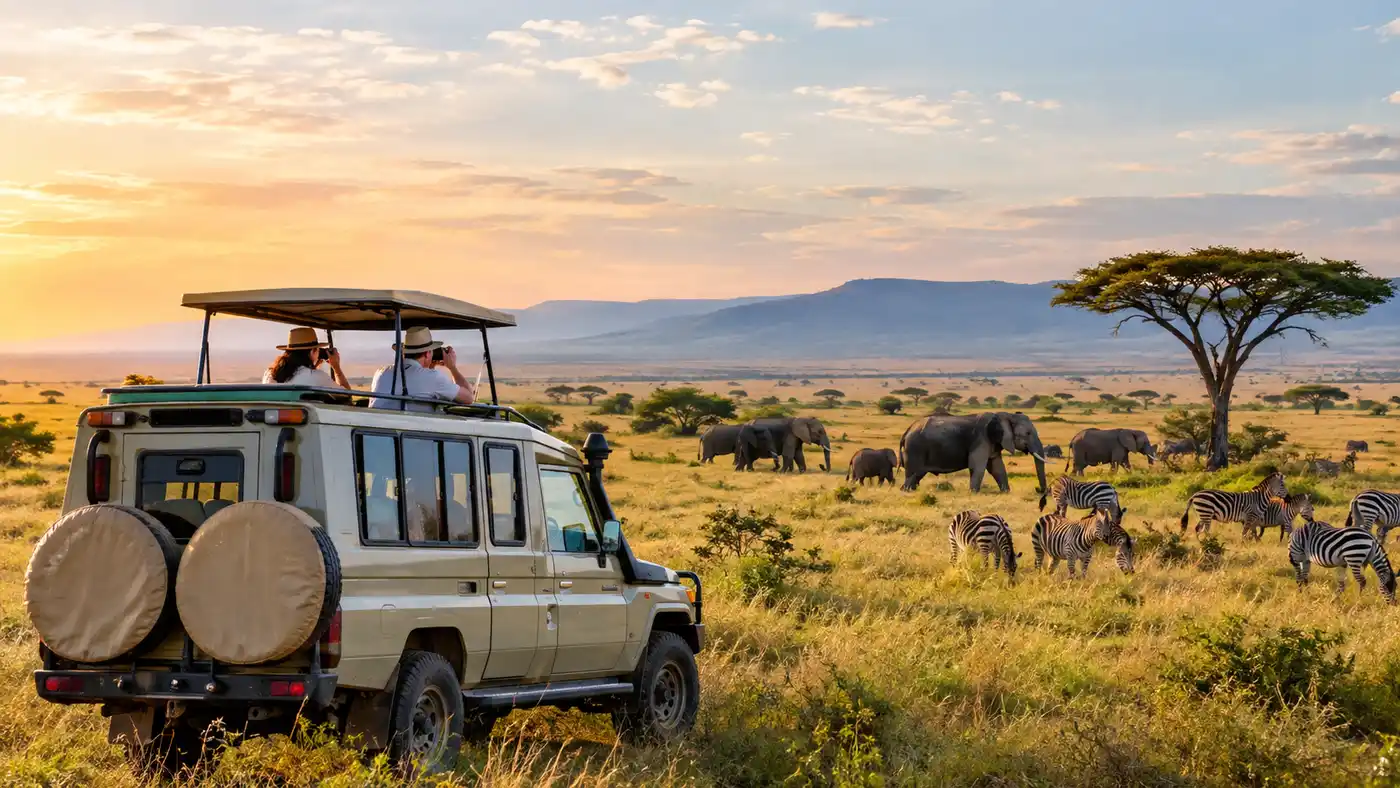
Serengeti Safari Cost and Budgeting Guide
Most travelers experience immediate sticker shock within ten minutes of looking up African wildlife trips. You see an initial quote for $4,500 per person for a five-day bush trip, blink twice, and wonder if someone accidentally typed an extra zero. The actual cost of serengeti safari adventures catches almost everyone off guard. It sits among the most expensive wildlife holidays in the world, yet those steep numbers start making sense once you look behind the curtain of remote logistics, massive conservation taxes, and the sheer human effort required to run a comfortable bush camp hundreds of miles from the nearest paved city.
A Serengeti trip is never genuinely cheap. Even if you pitch your own nylon tent on public ground and eat canned beans boiled over a gas stove, the government levies alone will cost you hundreds of dollars before you ever spot your first lion. Knowing where every dollar goes allows you to trim the fat without accidentally ruining your vacation with an unlicensed operator or an exhausted driver. This guide breaks down real daily expenses, seasonal pricing quirks, vehicle fees, and practical ways to keep your total spending under control.
Book your serengeti safari tours experience:
Breaking Down the Serengeti National Park Safari Cost
Tanzania does not treat wildlife tourism as a low-margin backpacker industry. The government deliberately uses high park fees to limit visitor volume and fund aggressive anti-poaching operations across thousands of square miles. If you walk into the gate expecting nominal entry fees like you might find at an American national park, you will be stunned. The Tanzania National Parks Authority (TANAPA) sets fixed rates that apply equally whether you sleep in a $2,000-a-night four-poster bed or a sleeping bag on the dirt.
The standard adult entry fee for non-East African citizens runs around $70.80 per 24 hours during the peak dry season, which drops slightly to around $59 during the low season. That includes the mandatory 18 percent value-added tax. Children pay around $23.60. But entry tickets are only the first layer. If you plan to spend the night inside the park boundaries, you also pay a concession fee. For private lodges and mobile tented camps, that runs about $70.80 per adult per night. Even public camping spots managed by TANAPA charge around $35.40 per person nightly just for access to a patch of grass and a concrete bathroom block.
Note: Serengeti park entry fees run on a strict 24-hour cycle from the minute your permit gets scanned at the gate. If you enter at 10:00 AM on Tuesday and exit at 10:30 AM on Wednesday, your operator gets billed for two full days of park entry.
Getting to the park by road adds another unavoidable layer of government taxation. Unless you fly straight into a bush airstrip, your vehicle must cross the Ngorongoro Conservation Area to reach the southern plains of the Serengeti. Ngorongoro charges its own transit fee of $70.80 per adult per single crossing, plus a vehicle entry fee of roughly $40. You pay that once on the drive out from Arusha, and you pay it again on your return journey. Before you have taken a single sip of coffee or seen a single wildebeest, your basic government permits alone often exceed $300 per person.
Tour companies do not let travelers buy Serengeti safari tickets at the gate with cash. TANAPA phased out cash payments years ago in favor of electronic park smart cards and pre-issued booking reservation numbers. Independent travelers who rent self-drive vehicles sometimes show up at the Naabi Hill gate hoping to swipe a foreign credit card, only to get delayed for two hours while the gate clerks wrestle with satellite network failures. Your operator almost always handles these paperwork hurdles weeks in advance.
Real Serengeti Safari Prices by Travel Style
Your overall trip budget depends heavily on your tolerance for dust, heat, shared spaces, and bumpy roads. A realistic daily rate covers your 4x4 safari vehicle, unlimited daily mileage, fuel, an experienced professional guide, all meals, drinking water, park permits, and accommodation. When you review serengeti safari package prices, the baseline figures usually split into three distinct categories.
A budget serengeti safari generally costs between $250 and $370 per person per day. At this price point, you travel in a shared group of five to seven strangers inside an extended Toyota Land Cruiser. You sleep in basic canvas dome tents at public campsites like Seronera or Dik Dik, using shared, sometimes questionable squat toilets and cold-water showers. A dedicated camp cook travels along with your vehicle, preparing simple, filling meals like vegetable stews, eggs, bread, and rice over portable burners. It is noisy, dusty, and deeply social.
Mid-range travel represents the sweet spot for most visitors, sitting between $480 and $850 per person per day. You sleep in permanent or seasonal tented camps featuring raised wooden decks, real mattresses, flush toilets, and hot bucket showers filled on demand by camp staff. Meals are three-course affairs, and you usually have a private vehicle reserved for your own travel party. If you are comparing safari lodges and tented camps across the Serengeti, you will notice that mid-range camps offer almost identical wildlife proximity to the top-tier luxury outfits, simply without the plunge pools and silver cutlery.
| Safari Tier | Estimated Daily Cost (Per Person) | Accommodation Style | Vehicle Arrangement | Key Inclusions |
|---|---|---|---|---|
| Budget Camping | $250 - $370 | Public campsite dome tents | Shared group Land Cruiser (6-7 seats) | Camp cook, shared bathrooms, basic meals |
| Mid-Range Tented | $480 - $850 | Permanent or mobile canvas tented camps | Private or small group 4x4 | En-suite bathroom, hot water, plated meals |
| Standard Luxury | $900 - $1,600 | Upscale safari lodges or boutique camps | Private custom Land Cruiser | Full bar, laundry service, bush dinners |
| Ultra-Luxury | $1,800 - $3,500+ | Exclusive private villas or luxury suites | Private vehicle & dedicated spotter | Private bush flights, vintage wine, spa |
Ultra-luxury prices climb into the stratosphere without an upper limit. At $2,000 or more per person per night, properties like Singita Sasakwa or Four Seasons Safari Lodge deliver air conditioning, private plunge pools overlooking watering holes, wine cellars, and on-site massage therapists. These high rates also fold in private bush flights between Arusha and localized Serengeti airstrips, eliminating the grueling eight-hour highway slog through dusty plains.
What Drives Serengeti Safari Tour Prices Up or Down?
Timing your trip makes an enormous difference to your final bill. Peak safari season coincides with the dry winter months of late June through October, and again during the Christmas holiday period. During these months, camps charge their highest room rates, and discounts are virtually impossible to negotiate because demand outstrips bed supply. If you visit in April or May, during the peak of the long rainy season, tanzania serengeti safari prices drop by 30 to 45 percent. Many upscale camps slash their rates to keep staff employed, turning an otherwise unattainable luxury camp into something reasonably accessible.
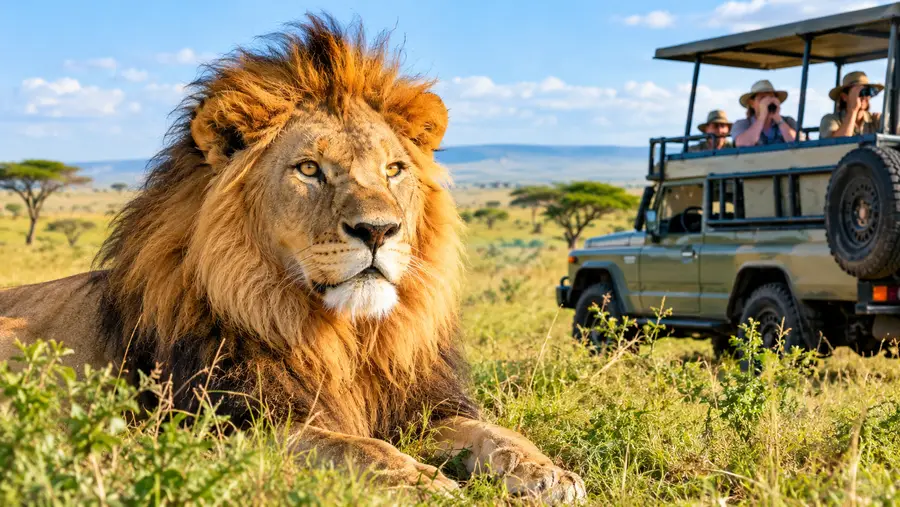
Vehicle logistics represent the next major cost engine. A proper safari-modified 4x4 Land Cruiser with pop-up roof hatches, high-lift jacks, heavy-duty suspension, dual spare tires, and an onboard fridge costs an operator roughly $60,000 to purchase and modify. Running that machine across jagged rocky terrain burns expensive diesel fuel and requires constant mechanical overhauls. Renting a private vehicle with a licensed guide costs anywhere from $280 to $400 per day before adding park tickets or passenger meals. If you travel as a solo traveler, you bear that entire vehicle bill yourself. If you travel with three friends, that $350 daily charge gets split four ways, which instantly drops your per-person daily expenses.
Flying versus driving dramatically alters your safari invoice. A one-way bush flight from Arusha Airport to Seronera Airstrip or Kogatende runs around $290 to $360 per passenger on regional carriers like Coastal Aviation or Auric Air. Flying both directions saves you two full days of bone-rattling road transit, but it tacks on over $600 per traveler. If you are debating how many days to spend in the wild, reviewing practical Serengeti safari route itineraries can help you decide whether the flight cost is worth the time you save on the ground.
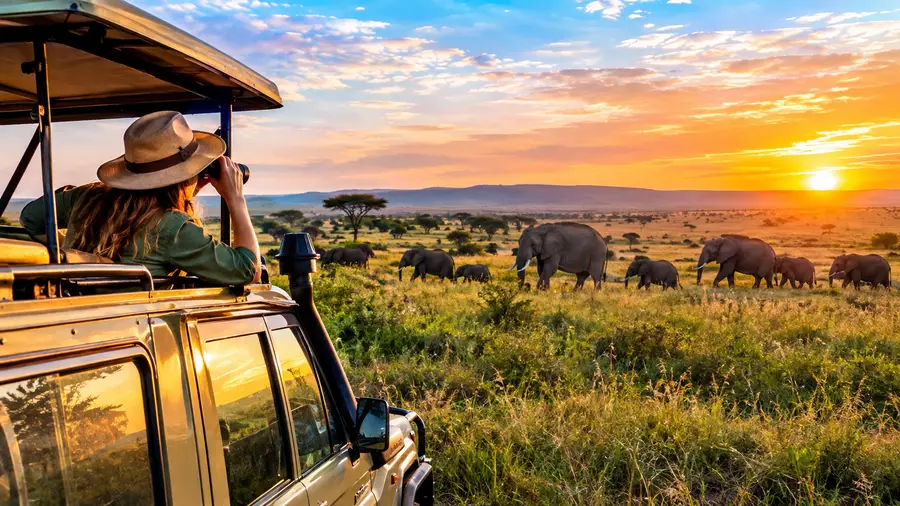
Camp location plays a sneaky role in tour costs. The Great Migration moves continually throughout the year. Lodges situated near the Mara River crossings in northern Serengeti charge massive premiums between July and October because the drama unfolds on their doorstep. During the same months, lodges in the southern Ndutu plains sit half-empty and offer rock-bottom pricing. Following the animals is exhilarating, but sleeping directly in the path of the herds always demands a heavier financial outlay.
Book your serengeti safari tours experience:
Hidden Extras and Realistic Tanzania Safari Tips
Tour quotes rarely tell the whole story. Most travelers land at Kilimanjaro International Airport assuming their all-inclusive package means they will barely pull out their wallet. That assumption vanishes fast once the trip actually begins.
Gratuities form a fundamental part of the safari service economy across East Africa. Safari driver-guides work brutal hours, serving as spotters, mechanics, wildlife encyclopedias, and personal drivers on unforgiving roads. Tipping them is customary and expected. Beyond the guide, camp staff, cooks, baggage handlers, and night watchmen rely on communal tip boxes to supplement seasonal wages.
- Head safari guide: $20 to $30 per day total from the entire vehicle, handed directly to the driver at the end of the trip.
- Camp crew tip box: $15 to $20 per guest per day, dropped into the central staff tip box to be split among cooks, cleaners, and tent attendants.
- Safari camp cook on budget trips: $10 to $15 per day total from the group, handed over directly on your final morning.
- Airport transfer drivers: $5 to $10 for personal shuttles between Kilimanjaro Airport and Arusha hotels.
Pro tip: Bring crisp US dollar bills printed in 2013 or later. Tanzanian banks, hotels, and bureau de change booths regularly reject bills with tiny tears, folds, or old issue dates due to persistent counterfeiting concerns in the region.
Beverages can also drive up your bar bill unexpectedly. Unless you book a top-tier luxury package that lists an open bar, most mid-range and budget itineraries exclude alcohol and carbonated soda. A local Kilimanjaro or Safari beer at a remote bush camp costs around $5 to $7. Wine by the glass runs $8 to $12. If you like an evening drink around the campfire, anticipate adding another $25 to $40 per day to your personal tab.
Hot air balloon flights over the plains remain the single most popular add-on activity in the park, and they are fiercely expensive. An hour-long dawn flight operated by companies like Serengeti Balloon Safaris costs around $599 to $650 per person. That steep ticket includes the champagne breakfast in the bush, but it can blow a massive hole in a carefully balanced family travel budget.
How to Book a Safari in Tanzania Without Overpaying
Where you buy your trip dictates how much money ends up staying in the local economy versus vanishing into corporate overhead. If you book through a boutique travel agency based in New York, London, or Sydney, that agency acts as a broker. They subcontract the actual ground operation to a licensed Tanzanian tour outfit in Arusha, adding an overhead markup of 20 to 35 percent to cover their marketing, office rents, and profit margins. You sleep in the exact same tent and ride in the exact same vehicle, but you pay hundreds of dollars more for the convenience of calling a local phone number back home.
Booking directly with an operator based in Arusha or Moshi almost always cuts serengeti safari tour prices. You can verify reliable local operators through the Tanzania Association of Tour Operators (TATO). Dealing direct requires a wire transfer to a Tanzanian commercial bank, which feels slightly intimidating to first-timers, but it represents the standard way local business gets done. You cut out the middleman, and your money goes straight to local mechanics, drivers, and safari planners.
- Group-joining options: Look for scheduled departure dates if traveling solo or as a duo to split vehicle charter costs among other independent travelers.
- Shoulder season departures: Book in early November or late March when rainfall is minimal, skies are dramatic, and lodge owners offer sharp discounts.
- Direct wire payments: Ask your local operator for bank wire options rather than credit card links, which usually incur an unavoidable 3.5 to 5 percent credit card processing surcharge.
- Mixed accommodation styles: Balance your itinerary by pairing two nights of basic tented camping with two nights of comfortable lodge accommodation to pull down your average nightly spend.
Be cautious when chasing a cheap serengeti safari that sounds too good to be true. If an agency quotes you $150 per day for an allegedly private tour, something dangerous is being cut behind the scenes. Usually, it means an uninsured, rickety vehicle that will break an axle on the washboard track out to Seronera, an underpaid guide who has not slept properly, or hidden fees that the operator springs on you halfway through the trip under threat of abandonment. Legitimate operators have hard operational costs that no amount of bargaining can erase.
Finding genuine tanzania safari deals is about flexibility rather than reckless haggling. If you tell an operator your absolute ceiling budget and ask them how to tailor the route, they can swap expensive park nights for community wildlife areas, swap fly-in transfers for scenic road travel, or move your trip dates by a single week to capture lower seasonal hotel tiers. That collaborative approach yields far better results than demanding unrealistic discounts.
Frequently Asked Questions about cost of serengeti safari
What is the minimum cost for a Serengeti safari?
The bare minimum cost runs around $200 to $250 per person per day. This requires joining a shared group camping trip, sleeping in small dome tents at public campsites, eating meals prepared by a camp cook, and traveling with six other passengers in a shared vehicle.
Can you do a self-drive safari in the Serengeti to save money?
You can rent a 4x4 Land Cruiser in Arusha for around $150 to $200 per day without a driver, but it rarely saves substantial money. Once you factor in mandatory fuel consumption, daily vehicle park fees, campsite concession fees, and the risk of costly mechanical breakdowns in remote areas without phone service, hiring a guided safari package often works out cheaper and far less stressful.
Why are Serengeti safari package prices higher than Kenya safari prices?
Tanzania imposes higher mandatory park entry fees, steeper vehicle taxes, and an 18 percent value-added tax across all tourism services. Distances between parks are also much larger in Tanzania, leading to higher fuel consumption, heavier vehicle wear-and-tear, and increased logistical overhead compared to Kenya.
Quick Reference
- Park fees: $70.80 per adult per 24 hours (peak season)
- Budget camping daily range: $250 - $370 per person
- Mid-range lodge daily range: $480 - $850 per person
- Standard guide tipping: $20 - $30 per day per vehicle
Book your serengeti safari tours experience:
The Bottom Line on Serengeti Safari Prices
A safari across the Serengeti is an expensive, bucket-list trip that defies casual budgeting. There are no true bargain-basement shortcuts through the southern plains, and cutting costs too aggressively often translates into blown tires, dead batteries, and missed wildlife sightings. Treat the expenditure as an investment in conservation and peace of mind. Figure out which comforts matter to your sleep, gather a small group to split vehicle costs, book directly with a verified local outfit in Arusha, and prepare for one of the greatest natural spectacles left on planet earth.
Read more about serengeti safari tours.